

Table of Contents
- What Makes a Gold Coin a Strong Long-Term Investment
- Top Gold Coins for Investment: Quick Comparison
- Gold Bullion vs Numismatic Coins: Which Belongs in Your Portfolio?
- Tax Implications of Gold Investment in Canada
- How to Store Physical Gold Bullion Safely
- Counterfeit Detection: Verifying Purity and Authenticity
- Building an Exit Strategy for Your Gold Holdings
- Frequently Asked Questions
Last Updated: September 18, 2026
What Makes a Gold Coin a Strong Long-Term Investment
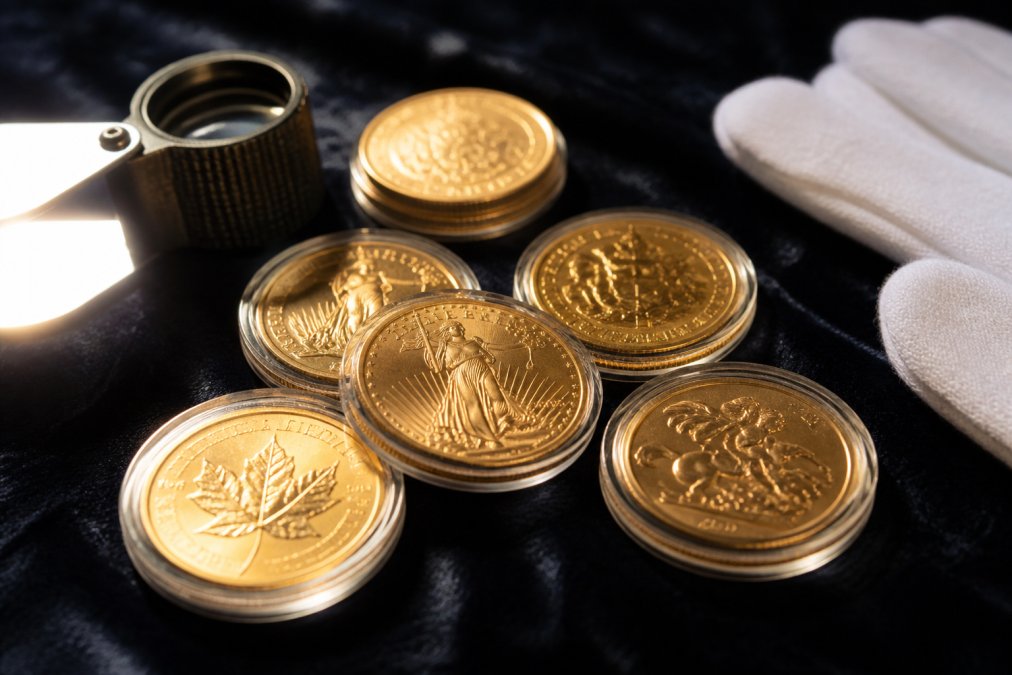
The best gold coins for long-term investment share three traits: recognized sovereign minting, high purity, and a deep resale market. Get those right and the coin does the hard work for you. This guide from MMmetalsandmore breaks down what actually drives returns, and what quietly erodes them.
Purity Standards and What They Mean for Value
Purity is measured in fineness. A coin marked .9999 contains 99.99% gold; .9167 contains 91.67%. Higher purity means more gold per gram, which makes pricing simpler and resale easier. Investment-grade bullion typically sits at .999 or above, while older circulating coins carry lower fineness and often trade on collector value instead.
Liquidity, Premiums, and Buy-Back Potential
Liquidity is how quickly you can sell at a fair price. Sovereign mint coins from recognized programs trade closest to spot because dealers always have a market for them. Fractional gold and unusual designs carry wider spreads. A common mistake is buying a beautiful coin with no resale demand, then discovering the buy-back offer is well below what you paid.
Top Gold Coins for Investment: Quick Comparison
The strongest long-term picks are sovereign bullion coins with high purity, worldwide recognition, and a deep two-way market. The table below compares the gold coins most commonly held for long-term investment, with the traits that actually drive resale value: purity, face value, and the mint behind them.
| Coin | Purity | Face Value | Mint | Best For |
|---|---|---|---|---|
| Canadian Gold Maple Leaf (1 oz) | .9999 | $50 CAD | Royal Canadian Mint | Core sovereign holding |
| Canadian Gold Maple Leaf (1/10 oz) | .9999 | $5 CAD | Royal Canadian Mint | Fractional entry, dollar-cost averaging |
| American Gold Eagle (1 oz) | .9167 | $50 USD | United States Mint | Broad global recognition |
| American Gold Buffalo (1 oz) | .9999 | $50 USD | United States Mint | High-purity US sovereign |
| Australian Gold Kangaroo (1 oz) | .9999 | $100 AUD | Perth Mint | Design variety, high purity |
| Austrian Gold Philharmonic (1 oz) | .9999 | €100 EUR | Austrian Mint | European market liquidity |
| British Gold Britannia (1 oz) | .9999 | £100 GBP | Royal Mint | Security-feature verification |
| South African Gold Krugerrand (1 oz) | .9167 | None | South African Mint | Oldest widely traded bullion coin |
Why Sovereign Mint Coins Win on Resale
Sovereign mints, the Royal Canadian Mint, the United States Mint, the Perth Mint, the Royal Mint, and their peers, back their coins with a national brand and publish exact specifications. That means any dealer anywhere can verify a coin against a known standard, which is what makes the resale market deep. A private-mint round might be just as pure, but it trades at a wider spread because fewer buyers recognize it.

Fractional Coins: Higher Premium, Better Flexibility
Gold Bullion vs Numismatic Coins: Which Belongs in Your Portfolio?
Bullion coins are valued by metal content plus a small premium. Numismatic coins are valued by rarity, grade, and collector demand. Bullion is the safer core holding; numismatic pieces are a specialist play. Most portfolios should be weighted heavily toward bullion, with numismatic coins as a smaller, optional allocation.

When Numismatic Value Outpaces Metal Content
Grade matters enormously here. A coin certified MS70 by a major grading service sits at the top of the scale, while MS63 signals uncirculated with honest surface marks. The price gap between those two grades can be wide, and it depends entirely on collector demand rather than gold content.
- Certified slabs protect the coin and lock in a verifiable grade
- Certification numbers let you confirm the exact piece in the grader's registry
- Mintage figures drive scarcity, and scarcity drives numismatic premiums
- Original packaging such as sealed mint cards supports authenticity and value
Tax Implications of Gold Investment in Canada
Gold is treated differently from most investments under Canadian tax rules, and the difference is significant enough that it should shape which coins you buy. The two main issues are GST/HST on the purchase and capital gains on the sale.
GST/HST and the Qualifying Bullion Exemption
Investment-grade gold and silver coins and bars are generally exempt from GST/HST when they meet the qualifying purity thresholds set out by the Canada Revenue Agency. For gold, the threshold is a fineness of at least 99.5% (0.995). For silver, it is 99.9% (0.999). Coins that meet the threshold and are produced by a recognized refinery or mint qualify; coins that do not meet it are taxed as ordinary goods.
Capital Gains and Reporting
When you sell gold for more than your adjusted cost base, the profit is a capital gain and must be reported on your tax return. Only a portion of that gain is taxable, and the inclusion rate is set by federal rules that have changed in recent years. Confirm the current rate with the Canada Revenue Agency before you file.
Record-Keeping That Survives an Audit
A practical record for each coin or lot should include:
- Date of purchase and the dealer's name
- Quantity, coin type, and purity
- Purchase price including premium and any fees
- Date of sale, sale price, and buy-back spread
- The certification number if the coin is graded
The Unique Angle: Tax Treatment as a Coin-Selection Filter
Most buying guides treat tax as an afterthought. In practice, the GST/HST purity threshold and the collectible-versus-bullion distinction should be part of how you choose coins in the first place. A .9999 sovereign coin from a recognized mint is both exempt on purchase and clean to report on sale. A lower-purity or collectible coin may be neither. If you are building a long-term position, start with coins that clear both bars, and treat everything else as a specialist allocation.
How to Store Physical Gold Bullion Safely
Storage comes down to three choices: home storage, a bank safe deposit box, or a third-party vault. Each trades cost against control and insurance. Home storage keeps access immediate but puts the risk on you. Vaulting removes that risk but adds ongoing storage fees and a counterparty.
A practical split many investors use:
- Keep a small, easily accessible portion at home in a discreet safe
- Vault the bulk with a provider that carries insurance and issues audited statements
- Never store the full holding in one location
- Photograph and document every coin before it goes into storage
Counterfeit Detection: Verifying Purity and Authenticity
Counterfeit gold is real and increasingly sophisticated, which is why modern sovereign coins carry built-in security features. The Canadian Silver Maple Leaf, for example, uses precision radial lines and a micro-engraved security privy mark that are extremely difficult to replicate. Those features exist specifically so a buyer can verify a coin by eye.
Simple checks anyone can run:
- Weigh it. A one troy ounce coin should weigh 31.1 grams. Off-weight coins are a red flag.
- Measure it. Diameter and thickness should match the published spec exactly.
- Check the edge. Look for consistent reeding and clean, sharp relief.
- Compare the finish. Genuine bullion has crisp detail; cast fakes look soft and slightly blurred.
- Buy graded where you can. A certification number you can look up removes most of the guesswork.
Building an Exit Strategy for Your Gold Holdings
An exit strategy is simply a written plan for when and how you will sell. Decide your target allocation, your trigger points, and which coins you would sell first. Without that plan, people tend to sell in a panic or hold far past their goal.
Work through these questions before you buy:
- What percentage of my portfolio should be precious metals?
- At what price or life event would I start selling?
- Which coins are my most liquid, and which would I sell last?
- Do I know my dealer's buy-back terms and settlement timeline?
- Have I recorded every purchase price for capital gains reporting?
Frequently Asked Questions
What is the difference between bullion coins and numismatic coins?
Bullion coins are valued mainly by their gold content and the current spot price, with a small premium for minting and distribution. Numismatic coins carry an additional collector premium based on rarity, age, condition, and grading. A 1 oz gold coin from a sovereign mint is a bullion product; a graded 1920s coin in mint state is numismatic. Most long-term investors hold bullion for its liquidity and predictable pricing, while collectors pursue numismatic pieces for their potential appreciation beyond metal value.
Do I need to pay capital gains tax on gold coin sales in Canada?
Yes, in most cases. The Canada Revenue Agency treats gold coins held as investments as capital property. When you sell, the profit between your adjusted cost base and the sale price is a capital gain, and 50% of that gain is taxable at your marginal rate. Certain Canadian Maple Leaf coins with a face value may qualify for GST/HST exemption as investment-grade fine bullion, but capital gains rules still apply. Keep purchase receipts and sale records to report accurately.
How does the purity of gold coins affect their investment value?
Purity determines how much fine gold you actually own. A 1 oz coin at .9999 purity contains nearly the full troy ounce of gold, while lower-karat coins hold less. Higher-purity coins from sovereign mints are easier to resell because buyers trust the assay and weight verification. For long-term investment, .999 or .9999 fine gold coins offer the best balance of recognizable purity, liquidity, and straightforward valuation against the spot price.
What are the most liquid gold coins for investors?
Liquidity depends on global recognition and consistent purity. Coins from major sovereign mints, such as the Canadian Gold Maple Leaf, American Gold Eagle, and South African Krugerrand, trade actively worldwide. These coins carry legal tender status, have well-documented weights and purities, and are accepted by most dealers without assay testing. For long-term holding, stick to widely recognized sovereign mint coins rather than limited-run or private issues, which can be harder to sell quickly.
Is it better to buy 1 oz gold bars or coins for long-term holding?
Both work, but they suit different needs. Bars usually carry lower premiums per ounce, which helps long-term growth if you plan to hold in a vault and sell back in bulk. Coins offer more flexibility: you can sell one at a time, they are easier to verify individually, and sovereign mint coins are recognized worldwide. For most investors building a position over years, a mix of 1 oz coins for liquidity and larger bars for cost efficiency makes sense.
Building a precious metals position takes patience, and the details matter more than the headlines. MMmetalsandmore stocks a premium selection of gold, silver, and copper bullion alongside collectible coins, with secure shipping and professional service on every order. If you want high-quality metals at great prices and reliable delivery, browse the MMmetalsandmore catalogue and start with a single recognized sovereign coin.